Album release from Climate Sound & Society co-founder Brian House
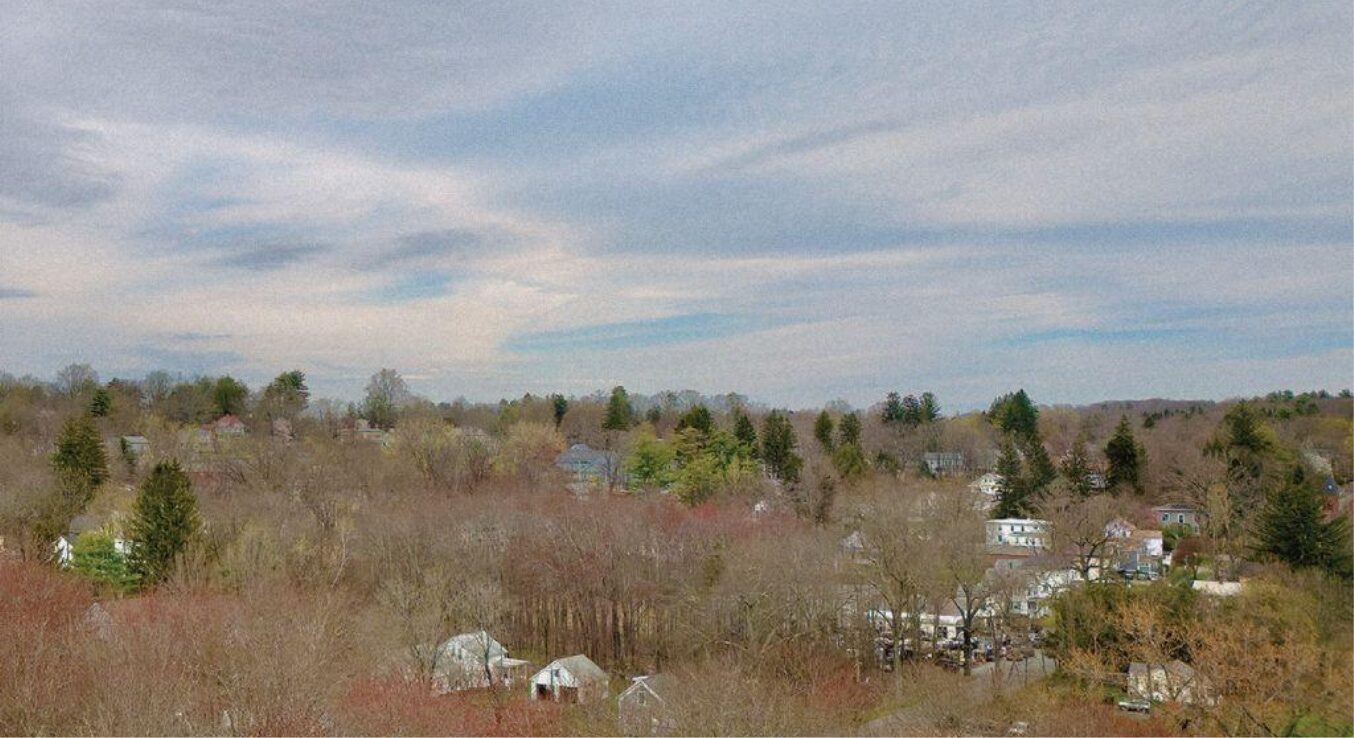
Everyday Infrasound in an Uncertain World (Gruenrekorder, 2025) features a 24-hour recording made with Macrophones in the small town of Amherst, Massachusetts, sped up by a factor of 60 to be 24-minutes. Although we might think we hear something familiar when listening to this album, only its very highest sounds could have been detected with an unaided ear.
Side A — Day, 6am–6pm [12:00]
Side B — Night, 6pm–6am [12:00]
Available on Bandcamp and from Gruenrekorder.
More about the album:
Even though you can’t hear it, infrasound fills the air. And because the atmosphere doesn’t absorb it like regular sound, infrasound comes from hundreds, if not thousands, of miles away. If humans could perceive frequencies lower than 20 Hz, then changing ocean currents, wildfires, turbines, receding glaciers, industrial HVACs, superstorms, and other geophysical and anthropogenic sources from across the planet would be part of the quotidian soundscape of our lives, wherever we might be.
I made this recording in the small town of Amherst, Massachusetts. I sped it up by a factor of 60: 24 hours becomes 24 minutes, raising the pitch by almost six octaves and making infrasound audible. Although we might think we hear something familiar when listening to this album, only its very highest sounds could have been detected with an unaided ear.
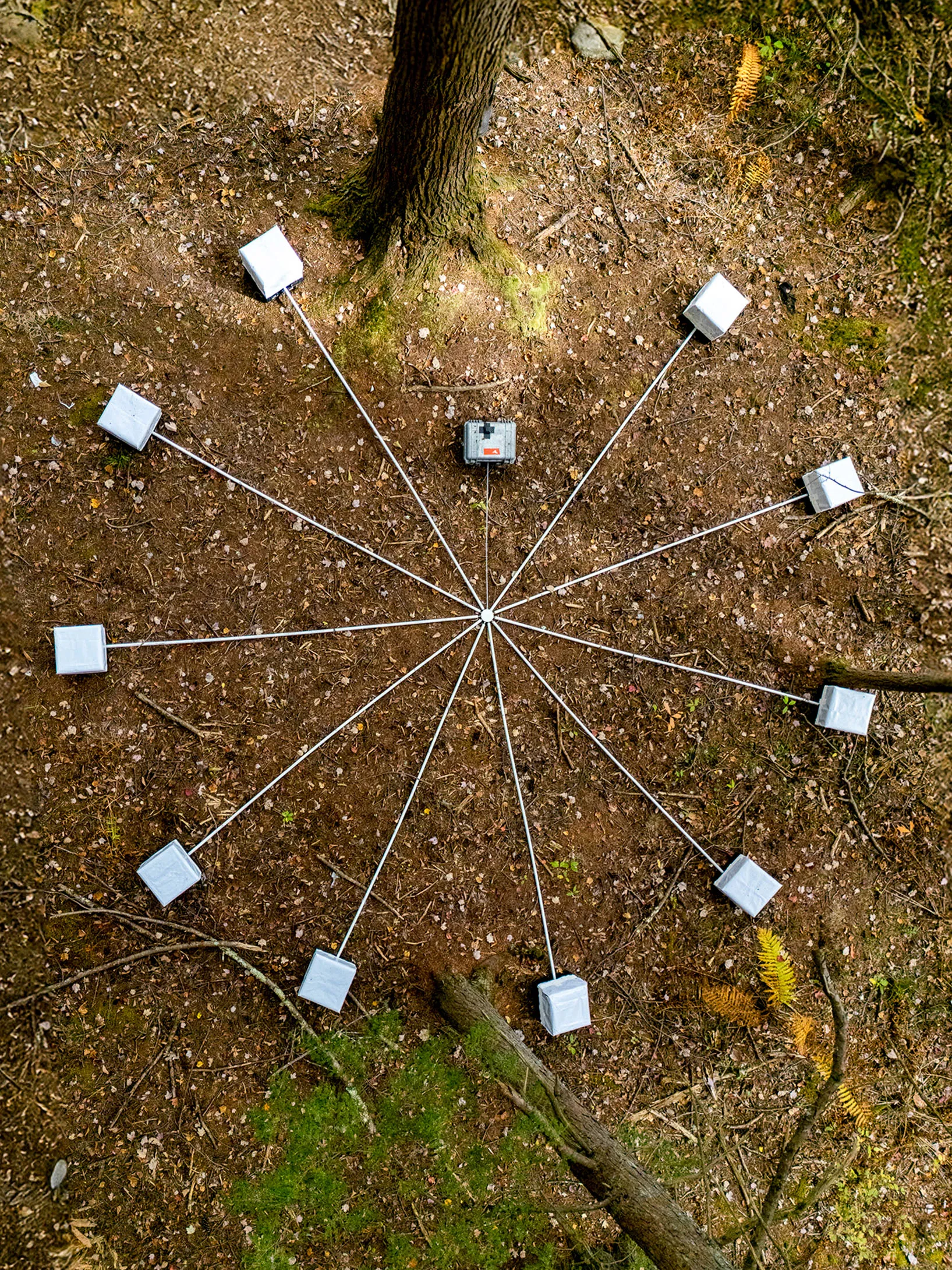
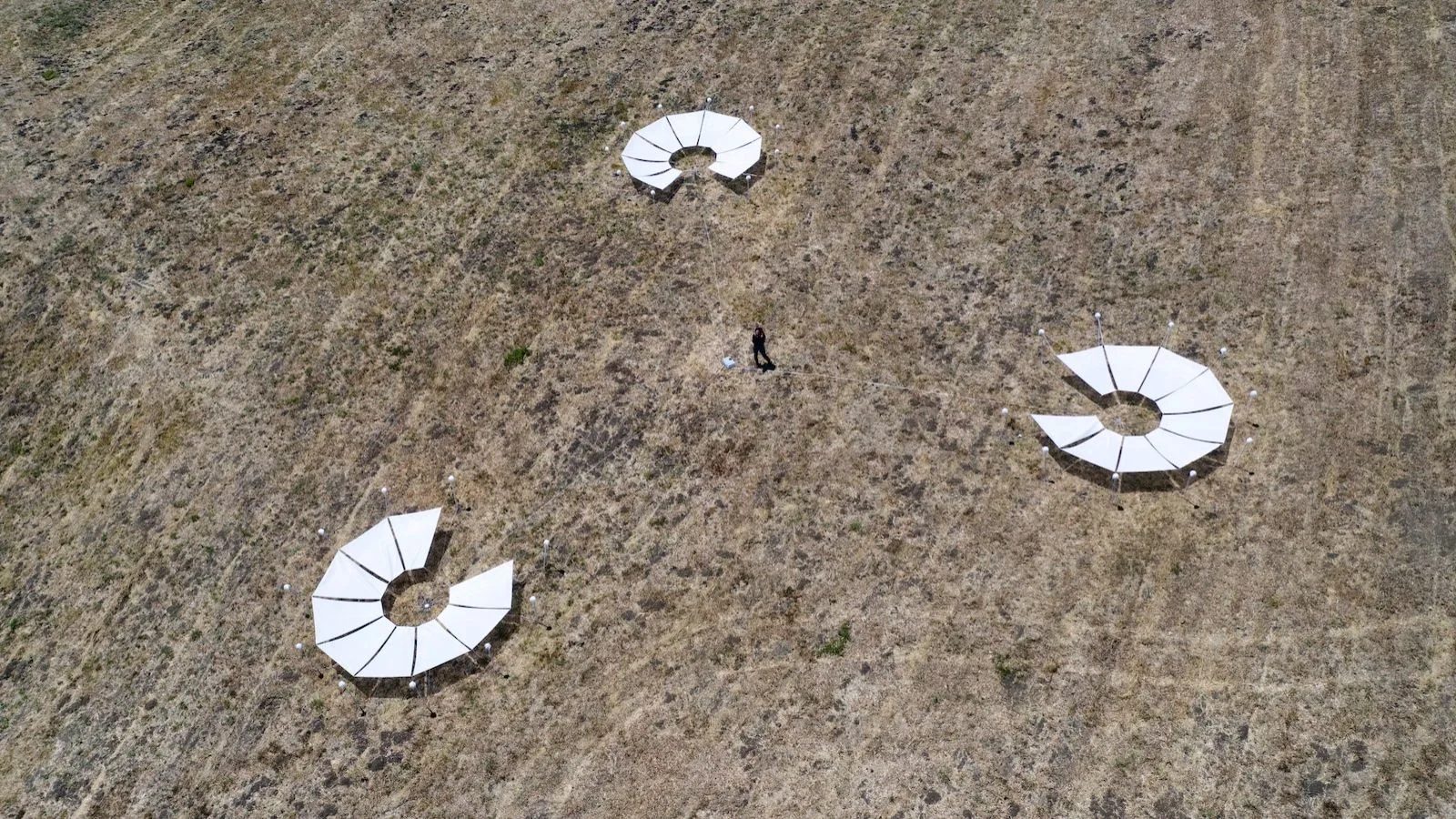
Since ordinary microphones cannot pick up frequencies this low, I constructed infrasonic “macrophones.” If a microphone amplifies small sounds, a macrophone brings large sounds with long wavelengths into our perceptual range. Each consists of a wind-noise reduction array leading to a microbarometer and a data recorder. I based the design on what the Comprehensive Nuclear Test Ban Treaty Organization uses to detect distant warhead tests. In this case, however, we’re listening to a planet in transition.
This work germinated in Oregon amid an unprecedented season of wildfires. It developed along with my chronic illness, Lyme, a tick-borne disease that has become more common as a result of warming winters. My young son watched over the recording process; our ancestors mined coal. For me, it’s not just a matter of hearing what is novel to the human ear, but of encountering those agencies greater than our own that connect us through the atmosphere.
credits
released November 7, 2025
Recorded during the spring of 2024 at the Amherst College Wildlife Sanctuary in the Kwinitekw Valley on Nonotuck land / Concept, engineering, and audio production by Brian House / Mastering by Jon Cohrs / Design by Partner & Partners / Illustration by Lincoln Nemetz-Carlson / Studio assistance from Zac Watson, Andrew Kim, and Ziji Zhou / With support from Creative Capital, Amherst College, and the J & K Altman Foundation / Thanks to Ethan Clotfelter, Ben Holtzman, Leif Karlstrom, Theun Karelse, Lucia Monge, the art department at Lewis & Clark, and the Columbia Center for Spatial Research
Participants
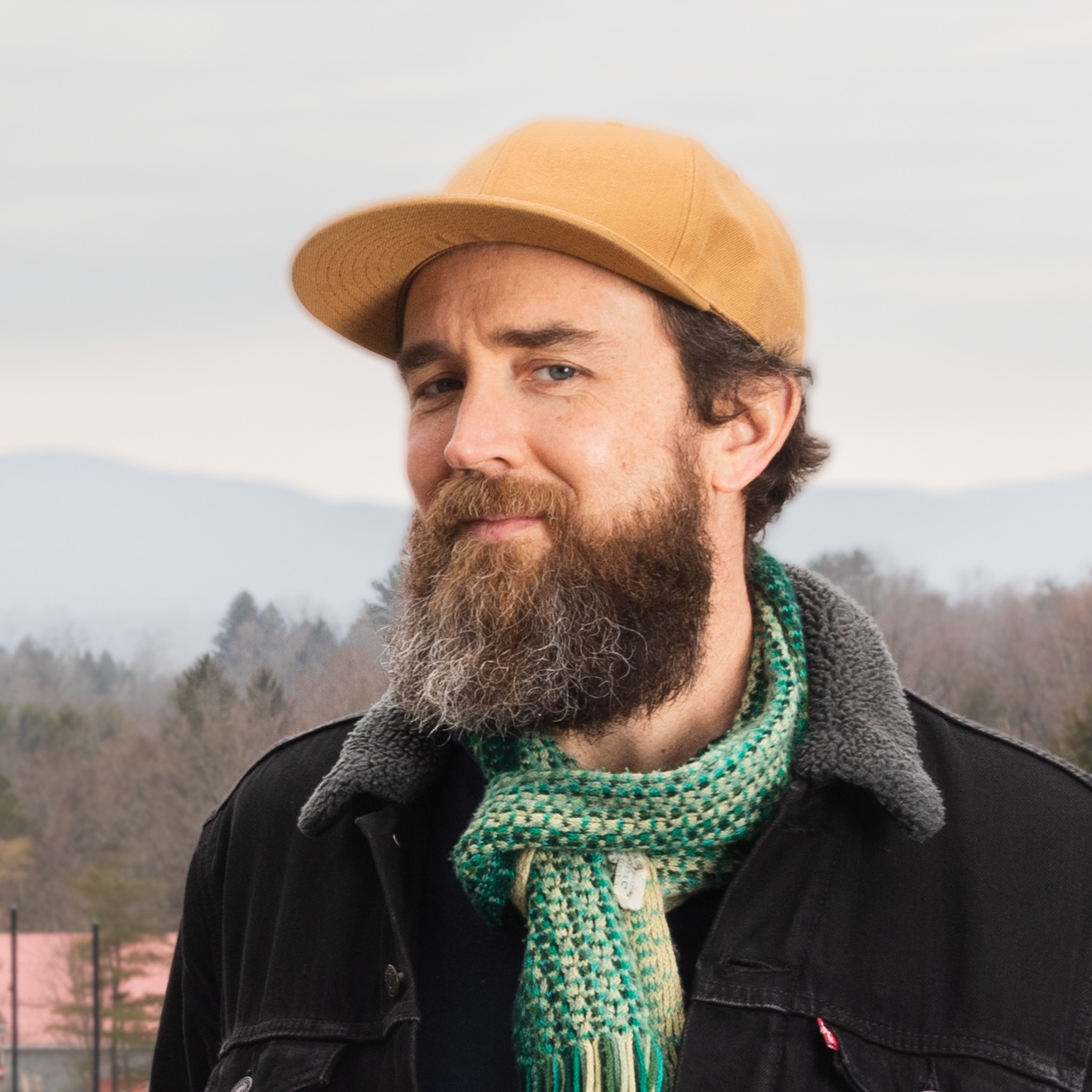
Brian House
Brian House is an artist who investigates the rhythms of human and nonhuman systems. Through sound, subversive technology, and multidisciplinary research, he makes our interdependencies audible in order to imagine new political realities. Past work has incorporated the sounds of urban rats, vinyl records made from geolocation data, an orchestra distributed throughout a museum, and a street art project covering 467 cities around the world. His current project, Macrophones, explores atmospheric infrasound as a means of listening to the climate crisis.
House is a Creative Capital awardee and has exhibited at MoMA, Los Angeles MOCA, Ars Electronica, ZKM Center for Art and Media, V&A Museum, Beall Center for Art + Technology, Cincinnati Contemporary Arts Center, Stockholm Kulturhust, Science Gallery Bangalore, Fridman Gallery, Issue Project Room, Eyebeam, and Brooklyn Botanic Garden, among other venues. The New York Times Magazine, The Wire, WIRED, The Guardian, and TIME’s annual “Best Inventions” issue have featured his work, and his research has been published in Leonardo, Journal of Sonic Studies, Media Art Study and Theory, and e-flux Architecture. He has composed for International Contemporary Ensemble, Yarn/Wire, and Robert Black, and has albums on Gruenrekorder, LINE (forthcoming), and Infrequent Seams (forthcoming).
House spent his undergrad at Columbia University’s Computer Music Center, holds a PhD in Computer Music & Multimedia from Brown University, and was Associate Scholar at Columbia’s Center for Spatial Research. He is currently Assistant Professor of Art at Amherst College.