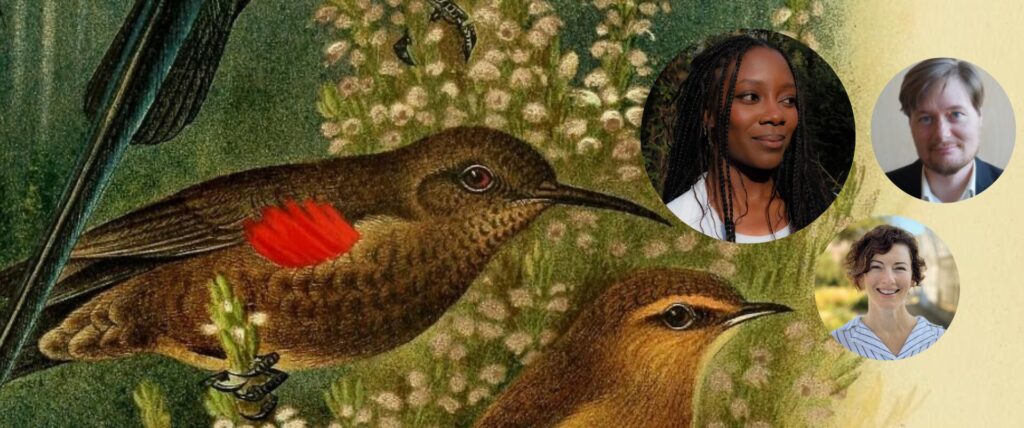
Copenhagen Climate Sound Series: Performance by world-renowned sound artist Jana Winderen, Arctic livestream with art historian John Kjær and artist John Grzinich, and sound studies scholar Holger Schulze.
Listening Underwater Monday, November 17, 14:00–16:00 at the Center for Applied Ecological Thinking – Københavns Universitet for the third event in the Copenhagen Climate Sound Series. Performance lecture by Jana Winderen with Michael Kjær, John Grzinich, Holger Schulze and Kara Oehler
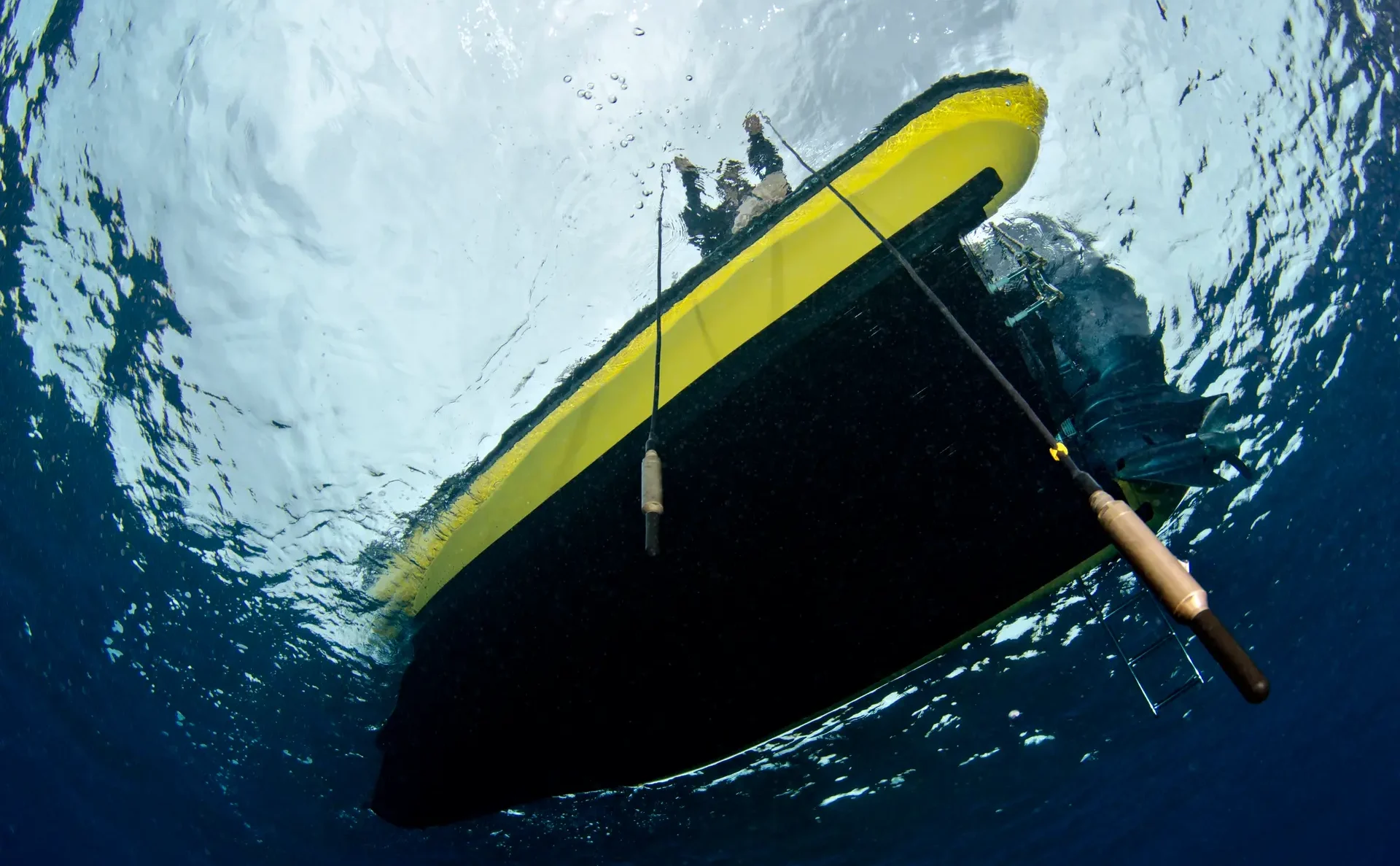
How can we tune in to soundscapes of deep sea coral, glaciers or frequency ranges inaudible to the human ear?
Jana Winderen, world-renowned Norwegian sound artist, will give a performance lecture exploring the hidden sonic worlds of oceans and deep-sea coral. While tropical coral reefs are often described as the rainforests of the sea, far less is known about deep-water coral ecosystems – and what’s at stake as industries consider deep-sea mining. metaLAB(at)Harvard’s Kara Oehler and KU Sound Studies Lab Director Holger Schulze will lead a discussion. Schulze describes Jana’s work as “one of the most relevant artistic positions within sound art in the Anthropocene.”
Following Jana’s performance, we’ll have a livestream from aboard a Norwegian research vessel somewhere between Svalbard and Greenland from art historian and KU Assistant Professor John Kjær and audio-visual artist John Grzinich. The two are traveling as part of a new project called “Extremes” with the @extremes_arctic team. Examples of Extreme Environments are cold seeps and hydrothermal vents, areas on the ocean floor where fluids and gases seep out of the Earth. They’ll be streaming in to play sounds from their location and to discuss how scientific inquiry in this context contributes to broader contemporary environmental imaginaries in the wake of ongoing crisis. They’ll offer a brief report of their activities and some current insights into this ongoing process.
It should be a fascinating and sensorially immersive experience. This event is a collaboration between CApE, metaLAB (at) Harvard, Berlin, and Basel, and the Institute for Climate Sound & Society. https://cape.ku.dk/eng/calendar/2025/listening-underwater

Participants
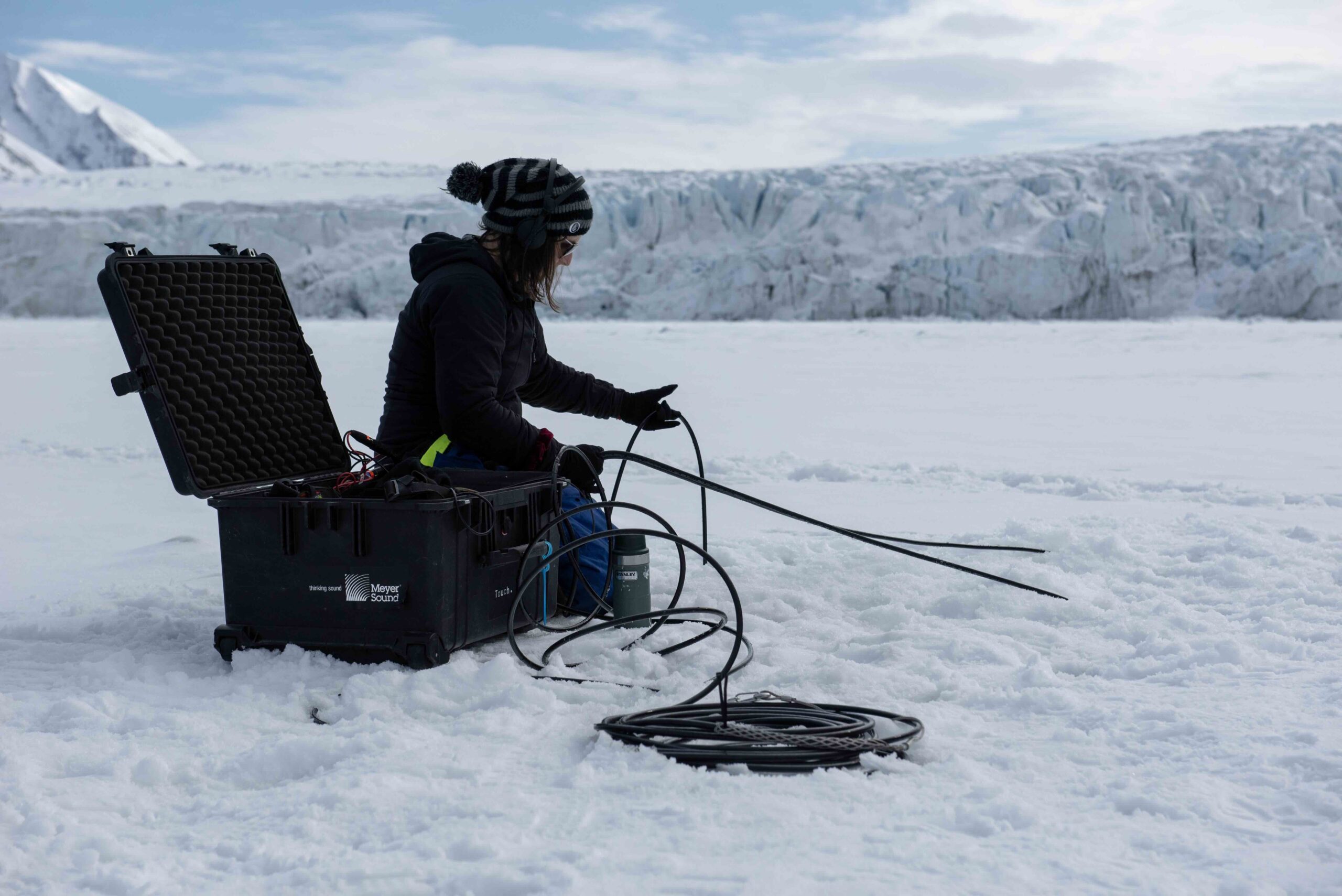
Jana Winderen
Jana Winderen is an artist based in Norway with a background in mathematics, chemistry and fish ecology. Her practice pays particular attention to audio environments and to creatures which are hard for humans to access, both physically and aurally – deep under water, inside ice or in frequency ranges inaudible to the human ear. Her activities include site-specific and spatial audio installations and concerts, which have been exhibited and performed internationally in major institutions and public spaces. Recent work includes The River at Jerwood Gallery, Natural History Museum, London, Absent Voices, Haus der Kunst, Munich, The Art of Listening: Underwater at Lenfest Center for the Arts, Colombia University, New York, Listening through the Dead Zones for IHME, Helsinki, The Art of Listening: Underwater for Audemar Piguet at Art Basel, Miami, Rising Tide at Kunstnernes Hus in Oslo, Listening with Carp for Now is the Time in Wuzhen, Through the Bones for Thailand Art Biennale in Krabi, bára for TBA21_Academy, Spring Bloom in the Marginal Ice Zone for Sonic Acts, Dive in Park Avenue Tunnel in New York and Ultrafield for MoMA, New York. In 2011 she won the Golden Nica at Ars Electronica for Digital Musics & Sound Art. She releases her audio-visual work on Touch (UK).
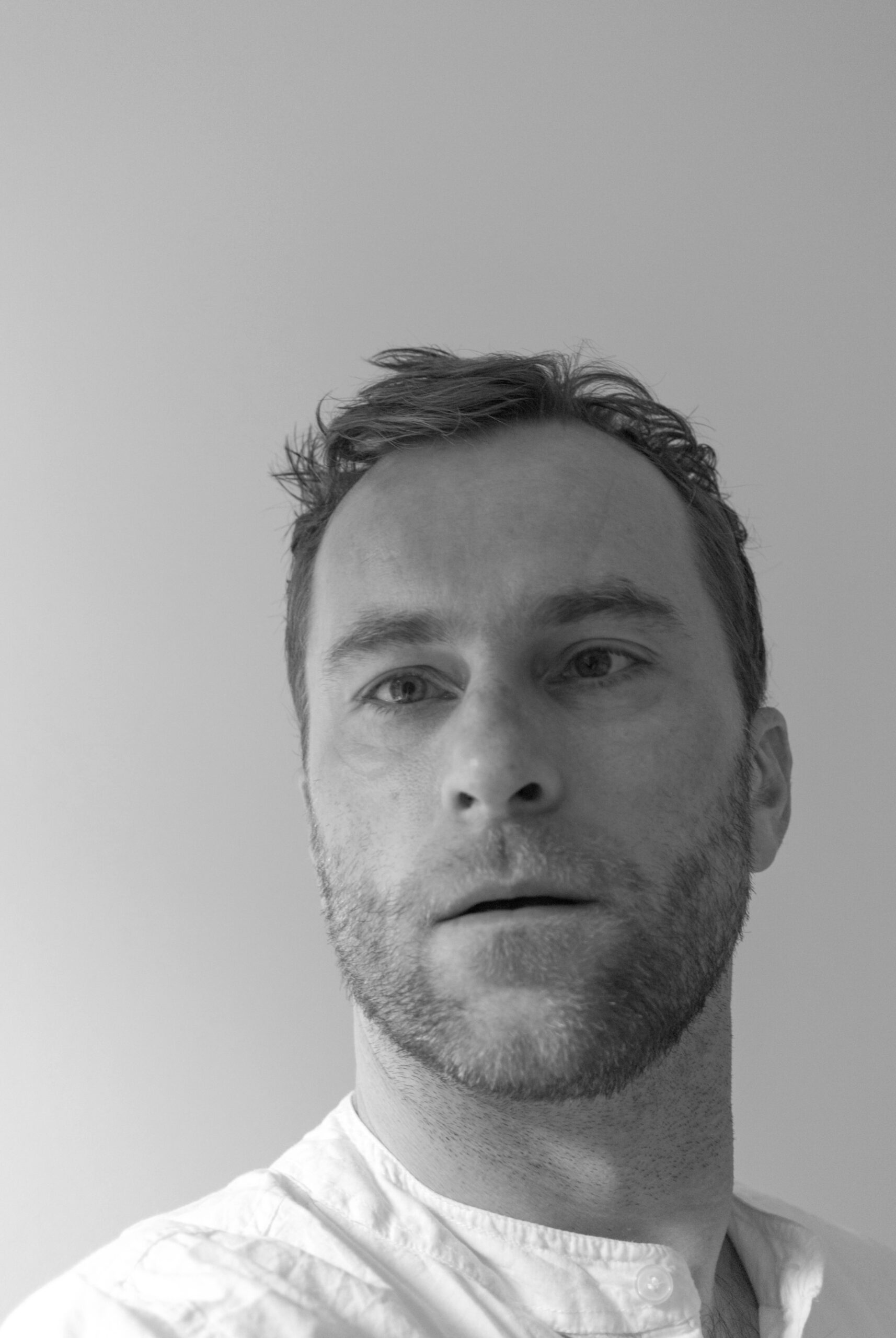
Michael Kjær
Michael Kjær, b. 1975, art historian, ph.d., is Assistant Professor at the Novo Nordisk Center for Practice-based Art Studies (PASS) at University of Copenhagen. His research focuses on understanding the possibilities for opening the human imagination towards nonhuman matter, agencies and scales. Currently he is, as leader of an aesthetic team, taking part in the cross-disciplinary Uarctic network Extremes. The aesthetic aim of the project is to develop new ways to sense, understand and imagine the significance of extreme marine environments in the Arctic regions and beyond. As a mediator of visual theory and art history, he has responsibility for developing concepts, artworks and best practices with the participating artists and marine researchers during marine research cruises in the Arctic Ocean.
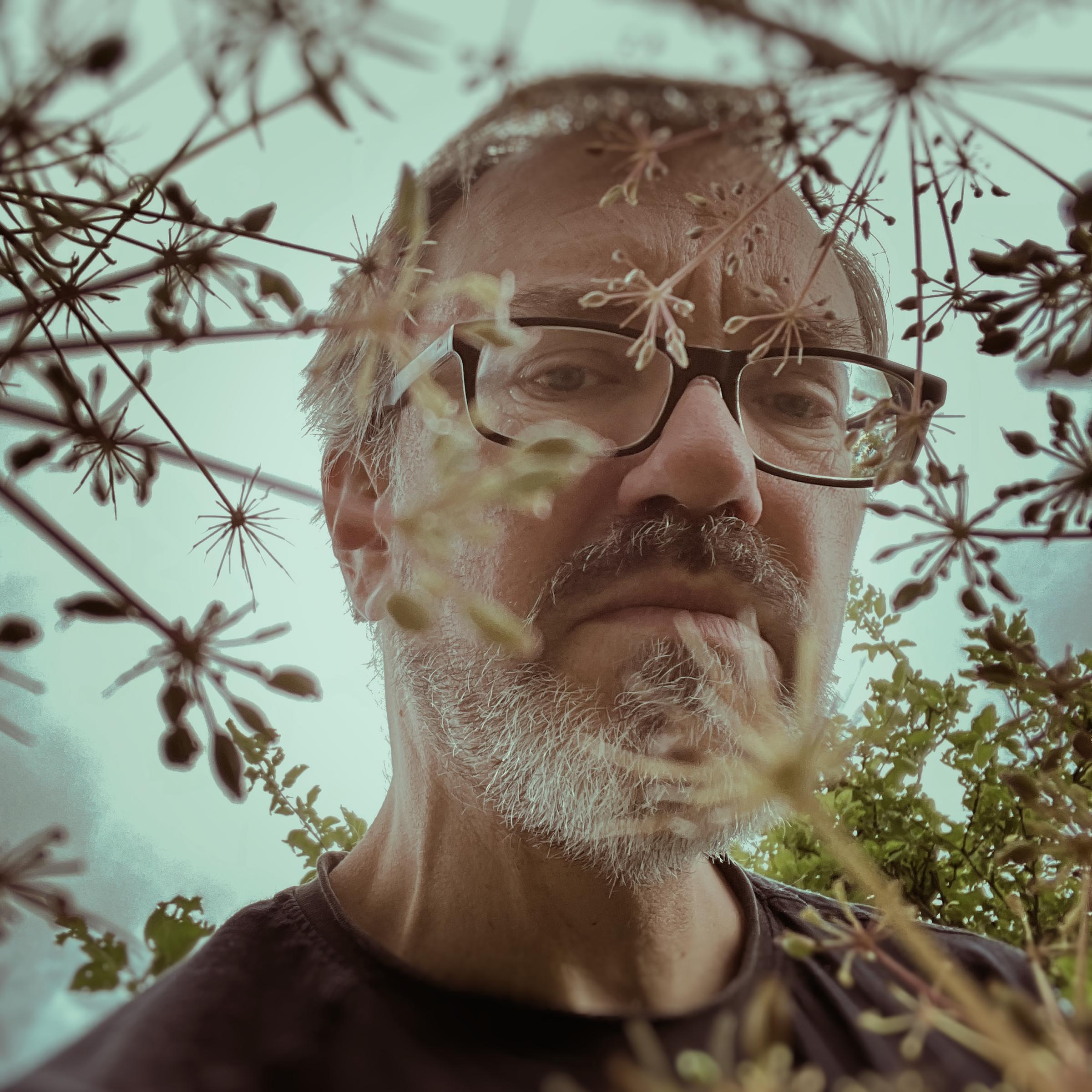
John Grzinich
John Grzinich is an audio-visual artist based in Estonia. His work integrates sound, moving image and site-specific installations to explore perceptions of sound and space, seeking resonances between people and places. Grzinich’s recent focus questions our anthropocentric views through performative and fixed media works by combining earthly agencies, expanded listening practices and participatory engagement. Grzinich has performed and exhibited internationally, published compositions on various labels since the 1990s. His work has been featured on Deutschlandfunk Kultur, ABC Radio Australia, NTS Radio, Resonance FM, Radio Študent etc.
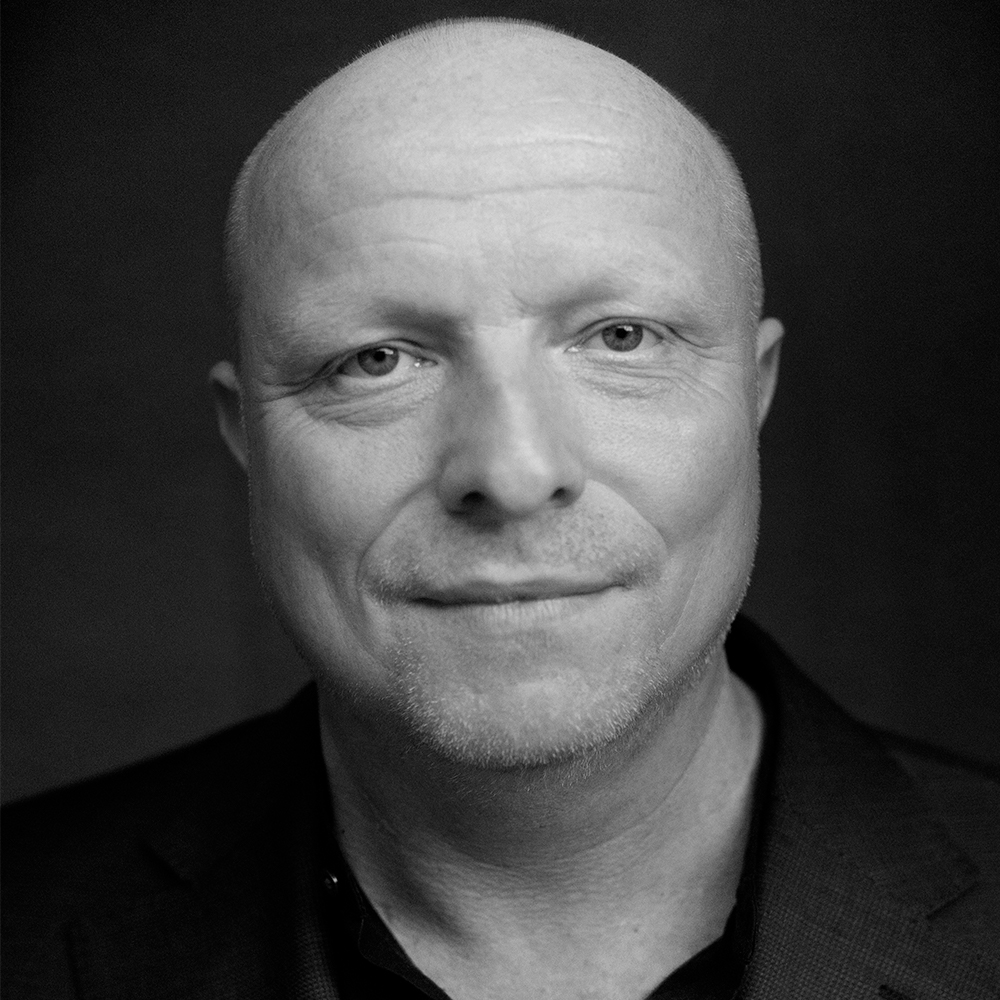
Holger Schulze
Holger Schulze is full professor in musicology at the University of Copenhagen and principal investigator at the Sound Studies Lab. He serves as co-editor of the international journal for historical anthropology Paragrana and as founding editor of the book series Sound Studies. He was associated investigator at the cluster of excellence Image Knowledge Gestaltung: an interdisciplinary laboratory at the Humboldt-Universität zu Berlin and founding member of the European Sound Studies Association. Between 2008-2016 he was director of the international research network Sound in Media Culture, and between 2000-2009 he was a co-founder and the first head of department of the new MA-programme in Sound Studies at the Universität der Künste Berlin. He was invited visiting professor at the Musashino Art University in Tokyo, at the University of New South Wales in Sydney, at the Leuphana Universität Lüneburg, and at the Humboldt-Universität zu Berlin. He served as a curator for the Haus der Kulturen der Welt Berlin, produced radio features for Deutschlandradio Kultur and he writes for Merkur, Seismograf, Neue Zeitschrift für Musik, Positionen, Texte zur Kunst, taz – die tageszeitung, der freitag. Portrait: „For Holger Schulze, immersive listening is his soundtrack to everyday life“ (2019) Interview: „So ist für Nutzer klar: Die Position der Dienstmagd hat eine Frau“ (DIE ZEIT 2019).
Kara Oehler
Kara Oehler is Director of Climate Sound & Society at metaLAB at Harvard and an artist-in-residence at Third Ear. Integrating climate and biodiversity journalism and policy with sound-based scientific researchers and artists from around the world, Climate Sound & Society works in partnership with institutions such as metaLAB(at)Harvard and University of Copenhagen, Museum of the United Nations and Ours to Protect (Ireland). She is also an embedded journalist with the Behavioural Ecology Group at University of Copenhagen. Oehler’s work appears in The New York Times Magazine, RadioLab, The Atlantic, Morning Edition, the Center for Investigative Reporting, Museum of Modern Art NY and others and has been recognized by Peabody, Rockefeller United States Artists, Radcliffe Institute for Advanced Study and others. Oehler has co-founded and led multiple pioneering, interdisciplinary organizations, including Climate Sound & Society, metaLAB(at)Harvard, Zeega, COVID Tracking Project at The Atlantic and UnionDocs Center for Documentary Art.